A Comprehensive Guide to Future Materials
Choosing the right component is the most critical decision in the design process of modern packaging. Understanding how specific raw materials in pulp molding technology affect the final properties of a product allows brands not only to meet environmental standards but, above all, to optimize the functional protection of their goods. Modern material engineering offers a wide spectrum of fibers, divided into primary and secondary raw materials, each possessing unique technical and environmental parameters.
Primary Raw Materials: Purity and Structural Strength
Primary fibers are valued for their predictability and excellent mechanical properties. They are essential in industries requiring high hygiene standards and where packaging aesthetics and manufacturing precision play a key role.
-
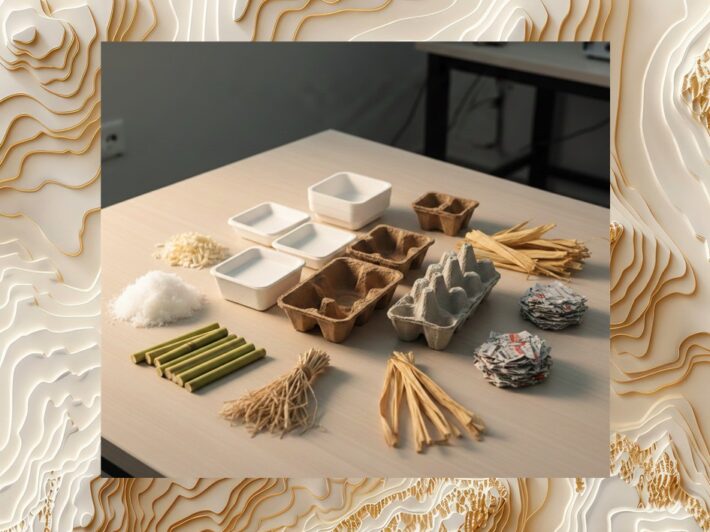
Wood Cellulose. This is the most common raw material used in Europe for pulp production. Thanks to a well-developed forestry economy and certified crops, cellulose from softwood and hardwood provides a stable production base. Softwood fibers provide the packaging with high tensile strength, while hardwood fibers guarantee surface smoothness, which is crucial in the thermoforming process.
-
Bamboo. As one of the fastest-growing plants, bamboo is gaining popularity. Bamboo pulp packaging is characterized by natural stiffness, making it ideal for protecting heavier electronics or industrial products.
-
Sugarcane (Bagasse). A residue from the sugarcane juice extraction process, this material is exceptionally lightweight. This pulp has a naturally light color and shows high resistance to moisture, making it a popular choice in the fast-moving consumer goods (FMCG) sector.
-
Hemp. Hemp fibers are among the strongest natural structures. Used as raw materials in pulp molding technology, they allow for the creation of very thin, yet extremely durable and rigid packaging walls.
-
Other Annual Fibers. Wheat straw, flax, or fast-growing grasses are alternatives that allow for the effective use of agricultural biomass, reducing pressure on forest resources.
Secondary Raw Materials: The Foundation of a Sustainable Development Strategy
Special attention should be paid to raw materials derived from recycling. Using secondary fibers is not only a way to reduce the consumption of primary resources but, above all, a real tool enabling the reuse of materials already circulating in the economy.
The use of waste paper, used cardboard, or office paper allows brands to actively implement sustainable practices. By choosing secondary raw materials, companies execute pro-ecological business strategies that build an authentic image of a responsible brand. Fibers recovered from corrugated cardboard give packaging a characteristic, ecological look, which is a clear signal of environmental care to the modern consumer.
Why Material Selection is a Strategic Decision?
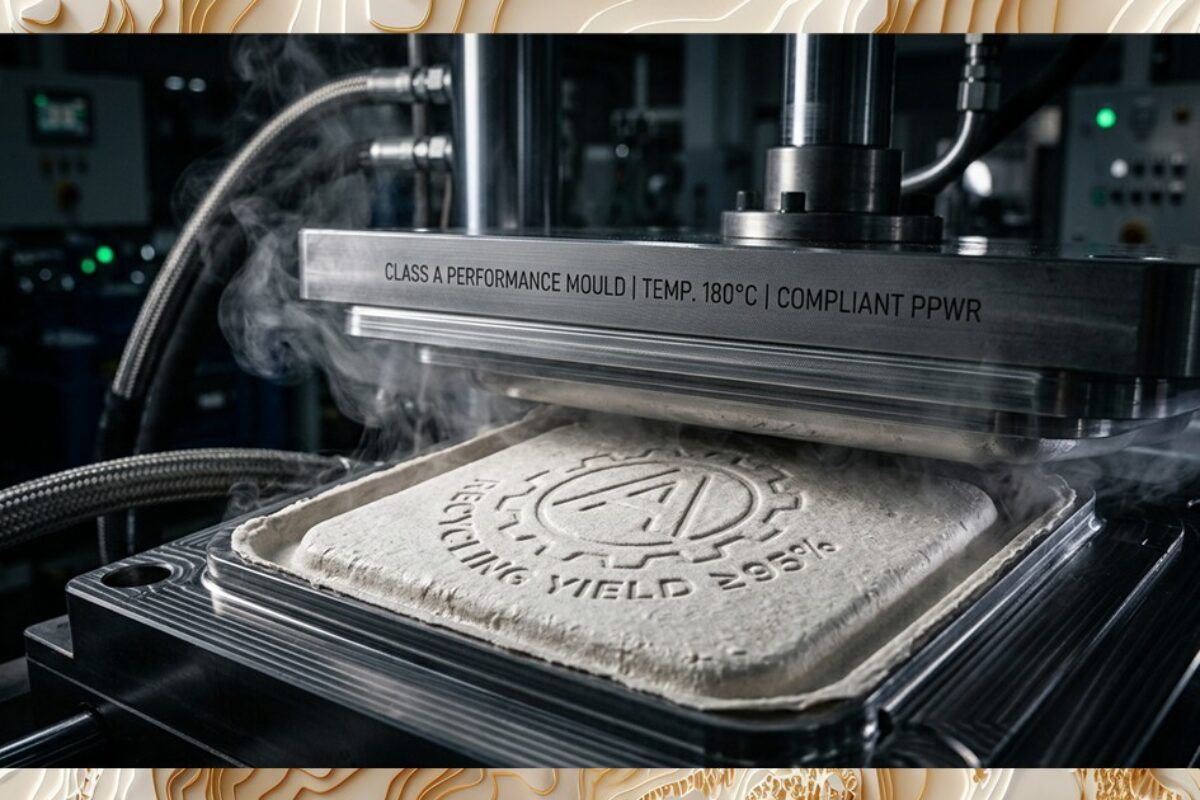
Each material reacts differently to the thermoforming process—a technique that, through the use of high temperature and high pressure, allows for smooth, precise edges. Selecting the right fiber blend allows for a balance between aesthetics and production costs.
It is worth noting that raw materials in pulp molding technology can be mixed together. Combining wood cellulose, common in Europe, with recycled fibers allows for high-strength packaging while maintaining the highest ecological standards.
If you are planning to implement new solutions, we encourage you to visit our About Us section, where we describe the fiber processing in detail. At Pulp Solutions Poland, we provide technical advisory, helping brands build a competitive advantage through a conscious choice of materials. We invite you to contact us to jointly develop an ecological packaging strategy for your company.