Design for Recycling (DfR) is no longer just a CSR element. Currently, the PPWR regulation introduces a strict legal requirement in this area. Consequently, these new rules determine the ability to sell products within the European Union market. Manufacturers must now select technologies that balance functional barriers with full material recovery.
What is Design for Recycling according to PPWR?
The new regulations impose specific obligations on producers. Every package must allow for high-quality material recovery. Therefore, secondary raw materials will effectively replace primary ones. Under PPWR, Design for Recycling rests on three key pillars:
-
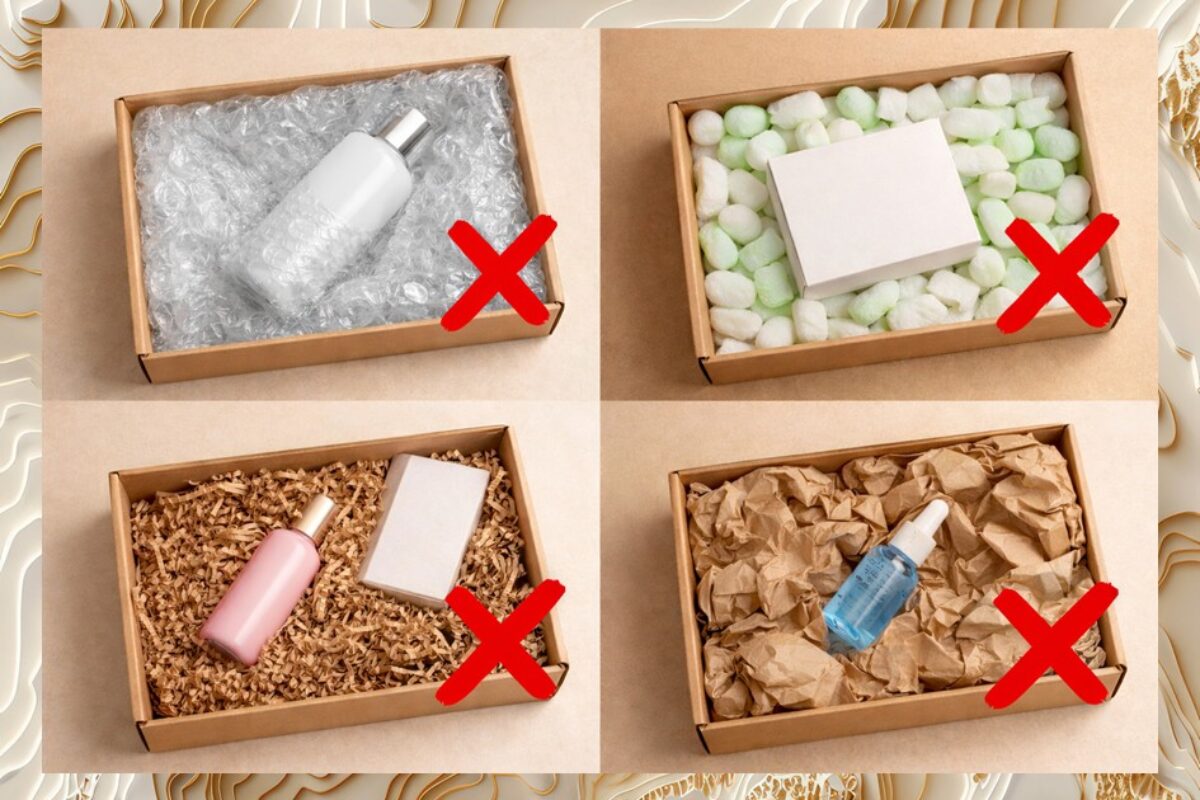
Technical Recyclability: The design must fit existing collection and sorting processes. Furthermore, the material must not negatively impact other waste streams.
-
Recyclability Performance Grades: Starting in 2030, the system will evaluate every package on a scale from A to C. Products with performance below 70% (Grade D and lower) will face a market ban.
-
Recycling at Scale: By 2035, producers must prove actual packaging processing within EU infrastructure. This requirement concerns real mass-scale processes rather than just theoretical assumptions.
Molded Pulp – An Innovative Class A Alternative
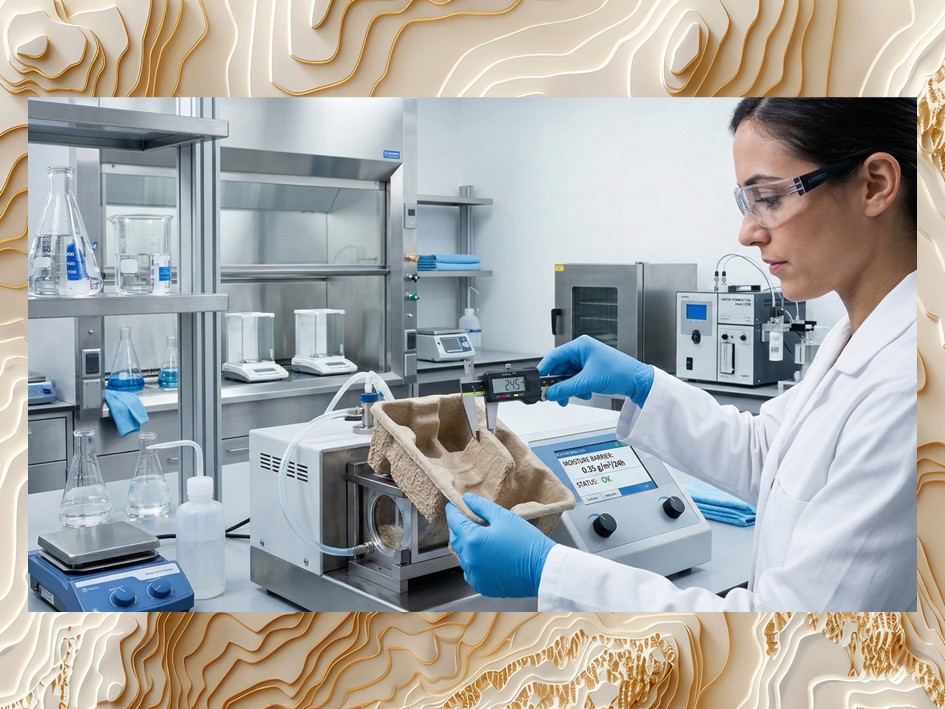
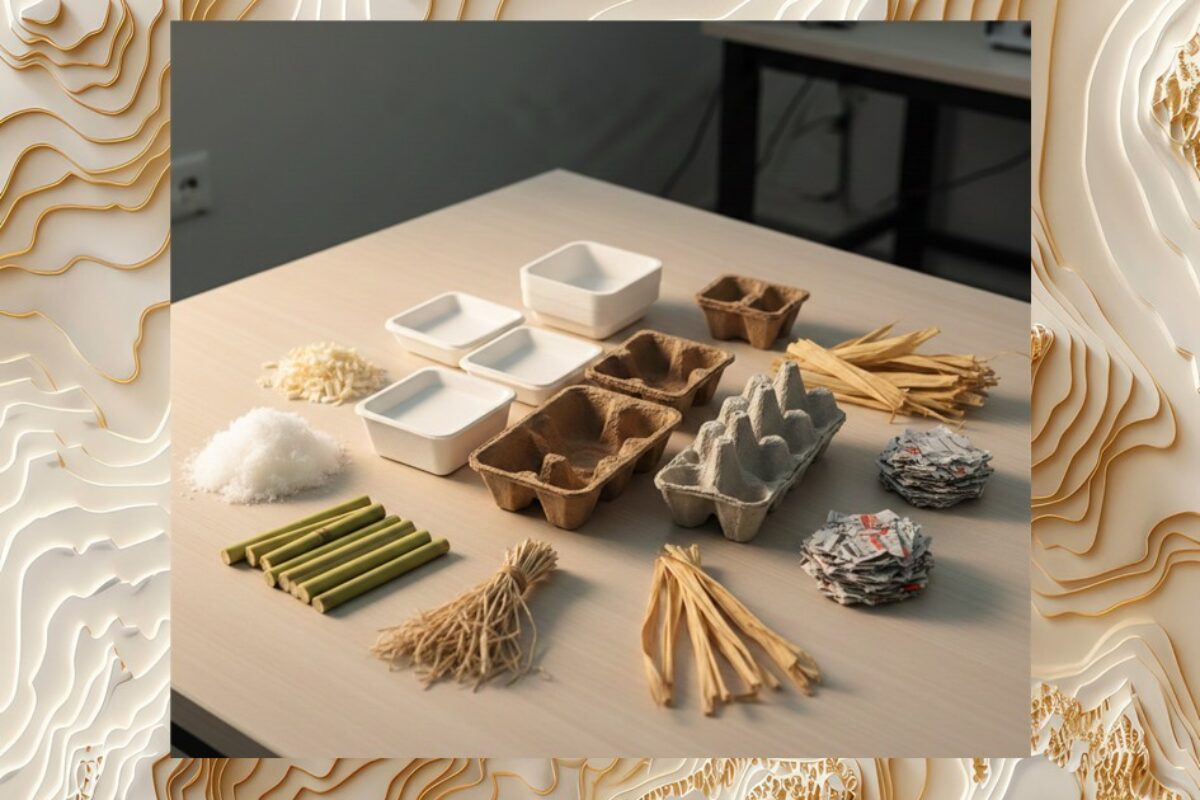
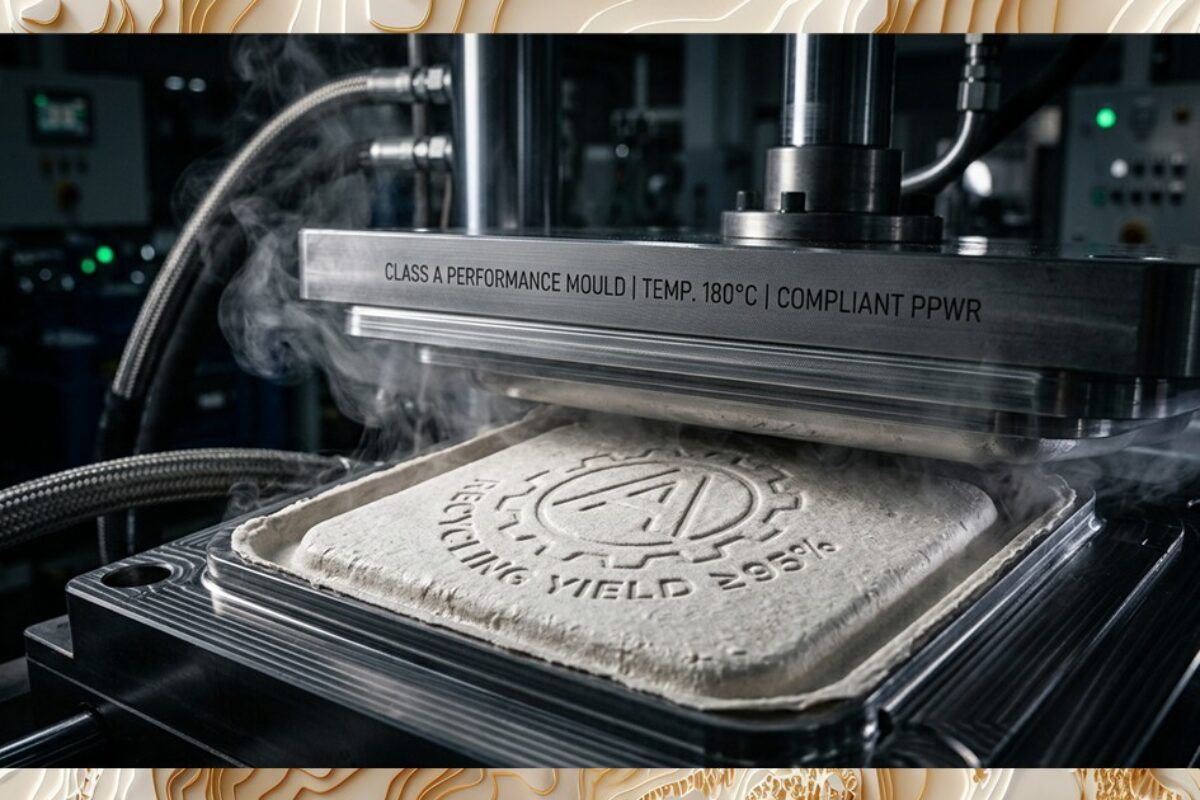
Thermoformed molded pulp technology currently dominates among ecological solutions. Natural cellulose fibers allow for the creation of packaging perfectly aligned with DfR principles. In fact, this material defines today’s modern market standards.
-
Monomateriality: Pulp contains 100% natural wood fibers. Consequently, we eliminate the problem of difficult polymer layer separation.
-
High-Quality Recyclate: Recovered fibers maintain excellent technical parameters. Therefore, the raw material can repeatedly return to the circular economy.
-
Advanced Barriers: Modern additives provide resistance to grease and water. However, the material maintains full biodegradability at the same time.
Business Benefits: Lower Fees and Market Advantage
Investing in molded pulp is a strategic business decision. It is worth noting the so-called EPR eco-modulation. This system rewards the highest-quality solutions. By choosing molded pulp (Class A), you gain specific profits:
-
Lower Operational Costs: You will pay lower recycling fees than for plastic.
-
Regulatory Safety: You will meet strict requirements regarding packaging mass minimization. Additionally, you will avoid issues with prohibited substances like PFAS.
-
Leadership Image: You position your brand as an innovator. As a result, you effectively respond to the challenges of the circular economy.
Design for Recycling requires engineering precision and a clear development vision. Molded pulp offers a turnkey answer to the rigorous PPWR requirements. It combines performance, premium aesthetics, and a low carbon footprint. Therefore, this material builds a secure future for modern and compliant businesses.