Is your packaging an asset or a liability? The new era of PPWR Recyclability Performance Grades
The introduction of the PPWR (Packaging and Packaging Waste Regulation) fundamentally redefines how we evaluate the environmental impact of packaging in the European Union. Furthermore, the key tool for this systemic change is undoubtedly Table 3 in Annex II. This specific section introduces strict recycling performance classes that will directly affect corporate profitability. Consequently, in this article, we will analyze these requirements and demonstrate why thermoformed cellulose pulp is becoming a strategic choice for modern brands.
Performance Thresholds: Will your packaging pass the test?
Under the new regulatory framework, every piece of packaging placed on the market must possess a specific performance grade. This classification is primarily based on the mass percentage of the material that is effectively recyclable in industrial processes.
-
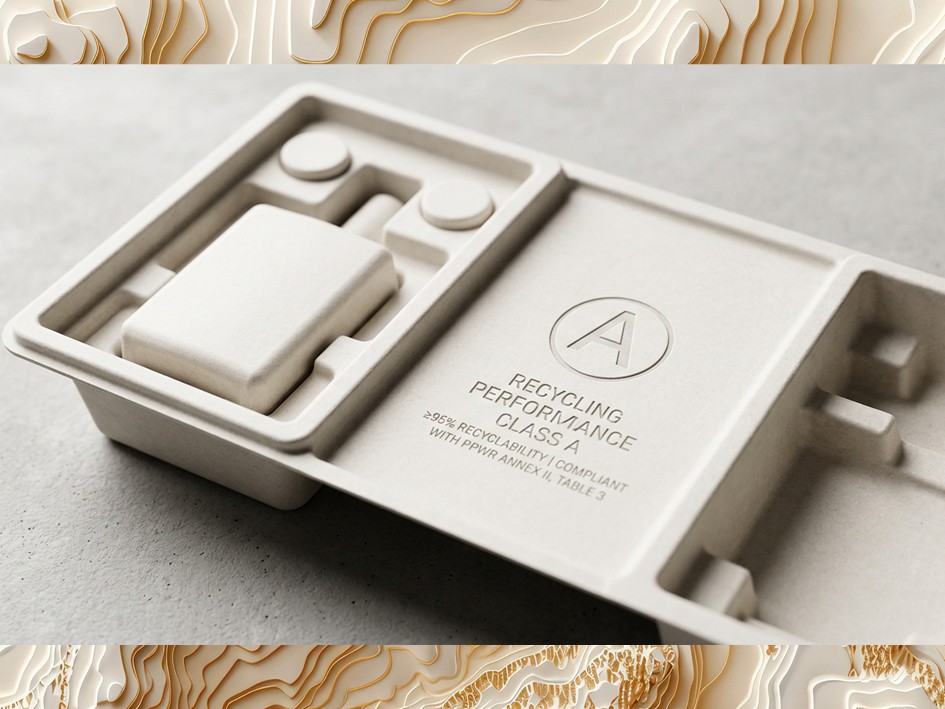
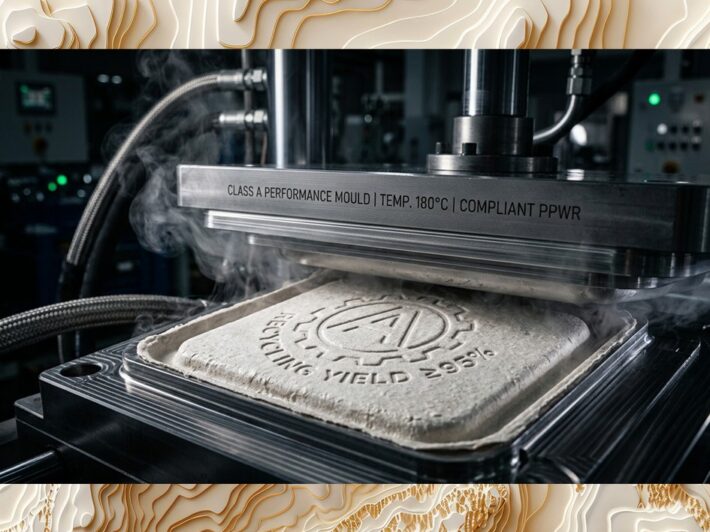
Class A (Efficiency ≥ 95%): This represents the highest design standard, ensuring almost full resource recovery.
-
Class B (Efficiency ≥ 80%): Such a grade reflects very good recyclability, allowing only minimal additives or functional barriers.
-
Class C (Efficiency ≥ 70%): Currently, this is the absolute minimum required for market access after the 2030 deadline.
It is crucial to note that if a unit scores below the 70% threshold, it will be deemed technically non-recyclable. As a result, its sale within the European Union will be strictly prohibited after the transition period concludes.
Material Transformation: Why Class A is the domain of pulp?
Nowadays, an increasing number of brands are choosing to replace traditional plastics with advanced cellulose pulp. In fact, this material naturally strives for Grade A because it consists of natural fibers that are fully compatible with existing paper recycling streams.
A prime example of a successful transformation can be seen in the consumer electronics sector. For instance, leading manufacturers are replacing rigid plastic inserts (EPS/EPE) with precision-molded fiber trays. Furthermore, this technology achieves a high-quality, scratch-free surface finish. This innovation effectively eliminates the need for additional protective plastic films. Therefore, the entire packaging solution becomes monomaterial, which automatically increases its rating under the PPWR ranking system.
Business Benefits and Eco-modulation of Fees
Beyond compliance, investing in Grade A provides tangible financial advantages for brand owners. Specifically, the eco-modulation mechanism under Extended Producer Responsibility (EPR) ensures that owners of high-performance packaging will incur significantly lower operating costs. Moreover, brands utilizing cellulose pulp build a strong image as innovation leaders. Such a positioning translates into increased trust among eco-conscious consumers. In conclusion, material engineering has now become the foundation of a robust, long-term business strategy.