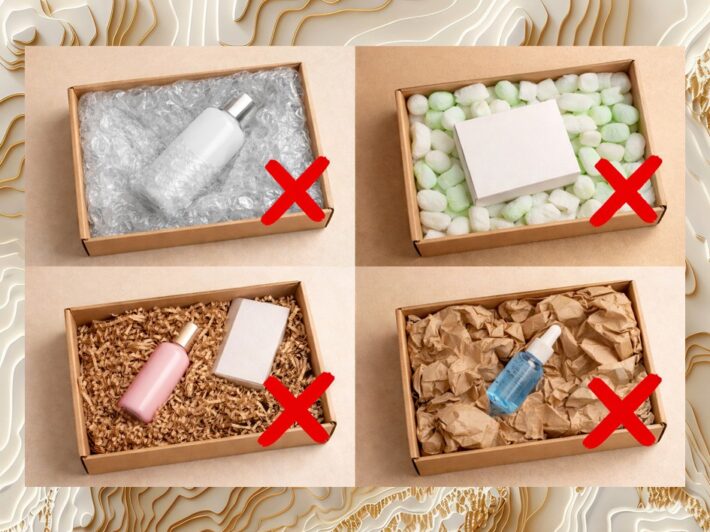
Do you remember the feeling of opening a large box for a small cosmetic product and having to dig through layers of plastic fillers to find it at the bottom? For the customer, it is an annoyance; for the planet, a burden; and for your business, from now on, a significant regulatory challenge.
Across Europe, the rules of the game are changing. The PPWR (Packaging and Packaging Waste Regulation) is no longer just a sustainability manifesto but a binding legal requirement. One of its key provisions introduces a 50% limit on empty space in transport and e-commerce packaging.
What does 50% empty space mean in practice?
If you manage logistics or a private label, PPWR mandates a package audit. Empty space is the ratio of the total volume of the packaging to the volume of the product. It is important to emphasize that PPWR aims to eliminate the excessive use of fillers, which often mask poorly chosen box sizes.
Why is avoiding “air transport” becoming a law?
- Transport Optimization: Smaller packages allow more goods to be placed on a single pallet, reducing the number of truck trips.
- Operational Cost Reduction: Smaller packaging means lower raw material consumption and lower fees for placing packaging on the market.
- Customer Image: Modern consumers view excessive packaging as a lack of efficiency and a disregard for resources.
Case Study: Packaging Optimization in the Cosmetics Industry
Let’s look at an example of a cosmetic brand that underwent a complete transformation of its packaging process to meet the new regulations.
Initial Challenge: Inefficient Shipping Boxes
Initially, the company shipped product sets in universal cardboard boxes. Because serums, creams, and accessories typically have a small volume, large amounts of fillers were required to secure them against damage. This created a major problem: under PPWR, excess fillers do not compensate for an oversized box, making such packaging non-compliant.
- In many shipments, the empty space ratio reached as high as 80%.
- The Problem: According to PPWR, excess fillers do not solve the problem of an oversized box. Such a package would be considered non-compliant.
Implemented Solution: Pulp Inserts and Optimal Box Sizing
The brand decided to implement a system based on two pillars: a dedicated insert and a box with corrected dimensions.
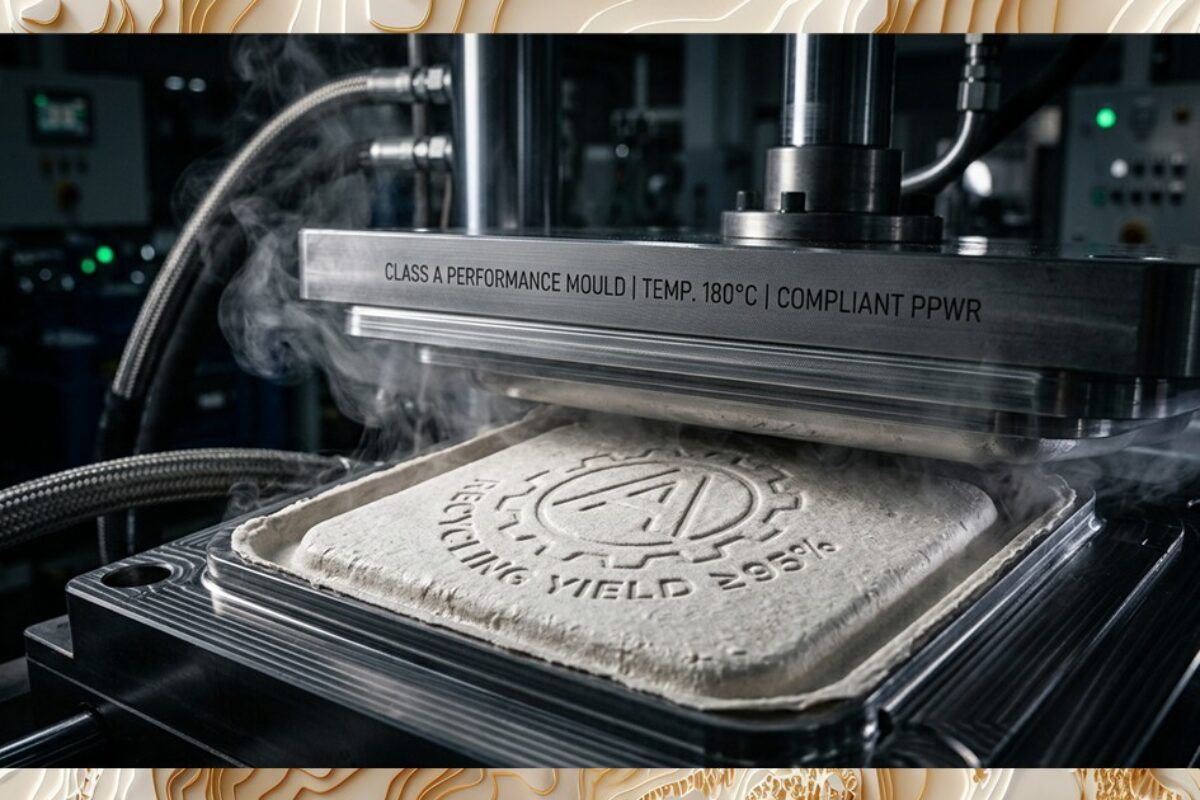
- Molded Pulp Insert: Features cavities perfectly matched to the shape of bottles and jars, eliminating the need for loose fillers.
- Appropriately Sized Box: Thanks to the effective securing of products within the mold, it was possible to use a smaller outer cardboard box, matched to the dimensions of the insert.
Achieved Result: Full PPWR Compliance
- Empty Space Reduction: By optimizing dimensions, the ratio dropped from 80% to a safe 30%.
- Sustainable Material: Plastic was replaced with 100% recyclable and biodegradable pulp.
- Enhanced Shipment Safety: Products are now professionally secured, which significantly reduces breakage risks during transport.
How to Optimize Your Logistics?
Preparing for PPWR is a process that is worth starting now. Here are concrete steps:
- Start with a dimension audit and verify what percentage of your shipments exceed the 50% empty space threshold.
- Consider molded pulp inserts, which are among the most aesthetic and effective solutions for securing products.
- Finally, move away from “one-size-fits-all” packaging in favor of boxes tailored to your product sets..
PPWR in practice is an opportunity for innovation that lowers costs and builds a market advantage. If you are looking for professional solutions, we invite you to contact Pulp Solutions Poland. As experts in molded pulp packaging, we will help you design a packaging system that reduces empty space to a minimum and ensures full compliance with the new regulations.